
4,000 Youth, 600 Women Join J&K Police; DGP Vows Fight Against Pak-Sponsored Terror
New Age Islam News Bureau
10 May 2026
• 4,000 Youth, 600 Women Join J&K Police; DGP Vows Fight Against Pak-Sponsored Terror
• The Weight of Motherhood in Gaza
• Trump aid cuts help push Gaza’s struggling mothers to the brink: ‘Our suffering is immense’
• Parks, another place where women can no longer go in Afghanistan
• World Lupus Day: Why this autoimmune disease hits women harder?
• Iran among women’s futsal ranking top 10 in world
• AUDIO: Afghanistan's exiled women cricketers urge ICC to recognise team
• Part II and Final – Women and the Taliban: Discursive Confrontation and Social Resistance
• Pakistan leave out Sidra Amin for Zimbabwe T20Is, IramJaved returns
• Bangladesh name squad for Women’s T20 World Cup 2026
Compiled by New Age Islam News Bureau
-----
4,000 Youth, 600 Women Join J&K Police; DGP Vows Fight Against Pak-Sponsored Terror
May 10, 2026
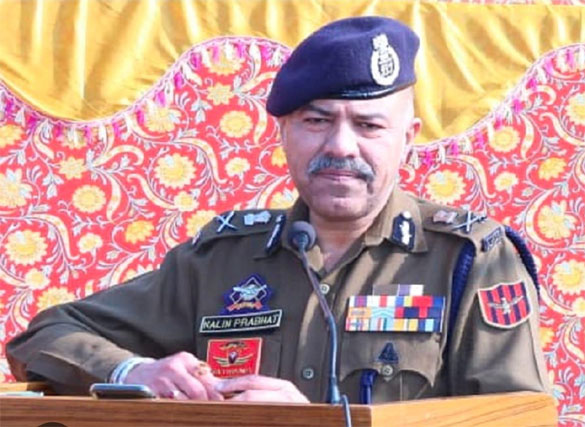
Srinagar, May 10 (KNS): Director General of Police NalinPrabhat on Sunday said more than 4,000 youth, including over 600 women, have been selected for constable posts in Jammu and Kashmir Police in its biggest recruitment exercise in recent years.
Addressing a presentation ceremony for appointment letters at the Armed Police Complex Zewan here, the DGP as per news agency Kashmir News Service (KNS) said these selected candidates – drawn from over 5.5 lakh applicants – will act as "force multipliers" in the fight against Pakistan-sponsored terrorism.
“Around 4,000 youth, including more than 600 women, have been selected. These posts were advertised in 2014 and over 5.5 lakh candidates from across J&K had applied. This reflects the eagerness of youth to join the police force,” the DGP said.
The DGP said the newly selected constables would undergo extensive training in physical fitness, mental strength, jungle warfare and modern policing methods.
“You are becoming members of one of the bravest police forces in the country, serving the nation since 1873. These 4,000 selected recruits will act as force multipliers in anti-terror operations being carried out in mountains, forests, ridges and far-flung areas against Pakistani-sponsored terrorists,” he said.
The DGP emphasised that joining the force is not merely a job but a symbol of sacrifice, dedication and service to the nation. “Whether it is Pakistani-sponsored terrorism, organised crime, narcotics or law-and-order challenges, J&K Police stand firm in every situation,” he added.
The DGP said the sanctioned strength of constables in J&K Police is around 53,000, while a little over 40,000 personnel are presently posted. “With the joining of these 4,000 selected recruits, our vacancies will reduce considerably and our operational capabilities will increase.”
He also revealed that the recruitment process for another 6,484 constables has already been initiated. The DGP urged interested recruits to volunteer for elite units like Snow Leopards, Markhor and Special Operations Group (SOG) for advanced counter-terror training.
“Along with physical fitness, mental fitness is equally important. When the body stops responding, the mind becomes the biggest weapon – especially when fighting an enemy that operates from across the border,” he added.
Source: www.knskashmir.com
-----
The Weight of Motherhood in Gaza
May 9, 2026
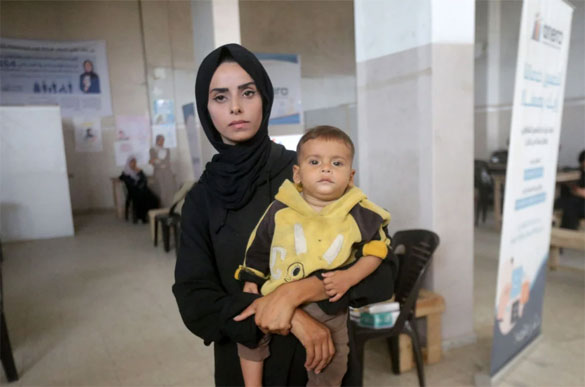
Nada holds her child at Anera’s temporary mother and child clinic in Gaza
------------
Being a mother, shaping and nurturing another life, isn’t easy even under the best and most fortunate circumstances. For mothers like those in Gaza, often without reliable access to food, clean water, and medical care, it can be unimaginable. In Gaza, motherhood is endurance under conditions few can imagine. To bring a child into the world is to do so amid persistent uncertainty, where food, water, and medicine are scarce, and safety can vanish without warning.
Women and girls, especially mothers, are frequently the ones holding families together. In the face of displacement and ongoing crisis, these conditions are exacerbated. According to UN Women, pregnant women and mothers are becoming increasingly at risk as famine, displacement, and violence continues in Gaza. 1 in 7 families are now led by women who have lost their husbands in conflict, and over 500,000 women lack access to reproductive health care completely.
Malnutrition among young children is rising, while shortages of food, clean water, and medical supplies leave many mothers unable to safely feed or care for their infants. At the same time, overwhelming stress, trauma, and physical exhaustion are compounding the challenges of pregnancy and breastfeeding, making even basic maternal and child health needs increasingly difficult to meet in an already collapsed system of care.
These are just some of the many obstacles Gaza’s mothers are up against. Today, we share the stories from mothers in Gaza, to honor their strength, but also to bear witness to their realities, their love, and their enduring hope for their children’s futures.
Tahani married her fiance soon after October 7, 2023. After fleeing with her family to a displacement camp in the south, she and her fiance soon tired of the constant fear and worry they felt being separated, and decided they needed to face life side-by-side. Not long after, Tahani had her son, Omar.
Despite the joy she felt, Omar was born at an incredibly dangerous time in Gaza. “When my son was born, and they placed him on my chest for the first time, I wished I could return him to the safety of my womb,” she says.
As a mother, it is her wish today to watch Omar grow to be strong and kind, and to live joyful moments with her family. Tahani wishes to raise her son in safety and to focus on his growth without needing to protect him from endless conflict and displacement like so many others in Gaza.
At just 27, Nada was in labor while she learned that she had lost 13 members of her family in a bombing. “The pain came all at once,” she says. “I was giving life while losing everyone I loved.”
After giving birth to her daughter, Zaina, Nada endured severe postpartum depression amidst displacement and lack of food, all while having other small children to care for. Through ongoing visits to Anera’s mother and child
clinic, supported by Americares, she received medical and psychological support. With this additional support, Nada slowly began to recover and regain her strength, which allowed her to build a connection with her daughter that she could not during grief.
Though her grief remains, she has found moments of relief. “When I look at Zaina now,” she says softly, “I still remember that day. I still remember the emptiness I felt. But now, I feel her breathing, her small hands, her presence. It doesn’t erase the loss, but it reminds me that life continues, even in the hardest moments.”
Reem gave birth to her son Osama days before October 7, 2023. She had travelled from her home and husband in Egypt to be with her family in Gaza, like many expectant mothers looking for the support of their communities. Instead, Reem’s world erupted into airstrikes.
“I had left my husband and home in Egypt and returned to Gaza to be with my family for the birth,” she says. “It was the hardest decision I’ve ever made. But after a complicated pregnancy, we had no choice. I needed care, and I thought I could deliver him safely at home with my family around to help. Four days after I gave birth, the sky over Gaza turned to fire.”
With no food, little water, and no access to medicine, she spent months searching desperately for formula, shielding her baby from bombs, smoke, and sickness, and sacrificing her own health to keep him alive.
Unwillingly separated from her husband, Reem became her son’s main source of care. Now a young toddler and facing ongoing health challenges, Osama still has yet to meet his father. “I go to sleep crying, praying,” says Reem. “After two years of war, separation, and hunger, I ask only one thing of God: Let this child see his father. Let us be a family again.”
Islam has spent over a decade working to help other women build livelihoods through small, home-based projects under Anera’sWeCan project, helping provide women with the tools to support their own livelihoods. Islam is a single mother to her daughter, Huda. “My daughter is my motivation,” she says. “Everything I do, in my work and in my life, is driven by the hope of building a better future for her.”
What begins as a modest effort to support a family can grow into something far greater with the right training and resources. Through her work, Islam has seen how empowering women not only strengthens individual families, but also helps communities recover and rebuild, especially in the aftermath of war, where women so often carry the weight of stability and hope.
Islam is not just working to build a future for her daughter, she is helping to open pathways for other women in her community to build their own.
Israa, a 28-year-old mother in Gaza, brought her 11-month-old son Ahmad to Anera’s mother and child clinic, severely malnourished and barely able to move, weighing only half the normal weight for his age. Unable to afford infant formula and unsure how to feed him, she felt helpless as his condition worsened and others told her he would not survive.
Through Anera’s clinic, Israa received care on two fronts: treatment for her own malnutrition, including supplements, high-energy biscuits, and therapeutic feeding, and hands-on breastfeeding and nutrition support to help her better care for her son. Staff guided her step by step, on breastfeeding positioning, feeding techniques, and maternal nutrition, while also monitoring Ahmad’s growth and progress through regular check-ups.
Over time, both mother and child began to recover. Israa regained strength and her ability to nourish her son, while Ahmad steadily improved—gaining weight, growing stronger, and reaching milestones like sitting and crawling. What once felt like a hopeless situation became, slowly, a story of survival and recovery.
Source: www.anera.org
https://www.anera.org/blog/the-weight-of-motherhood-in-gaza/
-----
Trump aid cuts help push Gaza’s struggling mothers to the brink: ‘Our suffering is immense’
10 May 2026
When Raneen went into labour in Gaza, she desperately called for an ambulance but the dispatcher told her the service only responded to injured people. A neighbour found a horse-drawn cart, which moved slowly through Khan Younis, in the south of the besieged enclave, with Raneen's having little space to breathe between contractions.
Her daughter was born into a war that had already taken her son and left her husband too sick to work. She had spent the pregnancy malnourished, anaemic and short of vitamins. She tells The Independent: "Our suffering is immense. My daughter was born amid this tragedy."
Months later, she found Wefaq, a women-led organisation in Gaza, through word of mouth. They gave her a mattress and access to a psychotherapist. Raneen is one of 50,000 people supported this year by Wefaq, which provides legal aid, psychosocial care, a gender-based violence hotline and humanitarian assistance – more than double the number it reached before the war.
The war inside Gaza was trigged by a bloody attack inside Israel by Hamas on 7 October 2023, in which around 1,200 people were killed and 250 more taken hostage. Israel’s retaliatory war against Hamas has killed more than 70,000 Palestinians, according to health officials in the Strip.
Two years into a five-year programme supported by the United States Agency for International Development (USAID), worth roughly $1m (£734,000) a year, Washington cut the funding entirely in early 2025, according to Wefaq. That came as part of Donald Trump’s dismantling of the agency when he returned to the White House for his second presidential term.
ButhainaSubeh, Wefaq's director, says: "Suddenly, everything stopped. It was a very difficult period. If that project had continued, the scale and quality of services would have been very different."
Wefaq found other funders and kept going, but at reduced capacity, absorbing a surge in need with a fraction of its former resources.
That need continues to balloon because the institutions women would normally turn to are also gone. Gaza's Sharia courts held exclusive jurisdiction over divorce, custody, inheritance and guardianship. A 2025 report by the Palestinian Centre for Human Rights documented the near-total collapse of the system: courts and archives destroyed, thousands of legal case files lost, judges and staff killed or displaced. At a UN human rights hearing in March this year, a representative of Palestinian women's organisations said dispute resolution had been pushed into displacement camps and makeshift mediation sessions "even under the rubble."
Into that vacuum, Randa, a lawyer working with Wefaq through ActionAid, says violence has moved. After the judicial headquarters were destroyed in airstrikes, the courts were suspended entirely, leaving women with no recourse to access their rights. She says: "This war has helped men evade giving women their rights, because of the absence of police and courts. So many men have stopped granting rights to women, such as expenses or child support."
She takes calls from women who need divorces, who haven't received child support in over a year, who cannot enforce custody arrangements that predate the start of the war. There are now believed to be at least 22,000 widows in Gaza and women's unemployment stands at more than 90 per cent.
The Palestinian Centre for Human Rights alleges that the targeting of Sharia courts forms part of a systematic Israeli policy to dismantle Palestinian institutional and legal structures. Israel has repeatedly denied this, and says it does not target civilians or civilian infrastructure.
Nisreen, one of Wefaq's psychotherapists, runs sessions from a tent with a two-month-old baby. She describes women arriving unable to concentrate because of malnutrition, some fainting in the room. She says: "Many showed clear signs of trauma, many carried deep feelings of guilt – thinking that if they had kept their children at home, or stopped their husbands from going out, they would still be alive." She adds: "The hardest part of our work is that so often we are both the client and the service provider at the same time."
Women's rights organisations globally receive less than one per cent of humanitarian and gender-focused aid funding, according to UN Women. Despite being local, already embedded and operational when international organisations are still establishing logistics.
The USAID money that reached Wefaq worked, keeping lawyers employed and services running for women who had nowhere else to go. Nisreen, who runs her therapy sessions from a tent, says: "I now live in a tent that is neither safe nor able to provide security or protection. These are all things we have now lost."
Source: www.independent.co.uk
https://www.independent.co.uk/news/health/gaza-women-aid-mother-baby-maternity-b2967327.html
-----
Parks, another place where women can no longer go in Afghanistan
MadinaAyar
09/05/2026
KabulA long time ago I went to Qargha, a green area with a large lake on the outskirts of Kabul. There was a festival to fly kites, a very widespread practice in Afghanistan, and the outlet I work for asked me to report on it. It was Friday, the weekly day of rest in Afghanistan. It used to be common for families to go to this beautiful recreational spot to spend the day.
Source: en.ara.cat
-----
World Lupus Day: Why this autoimmune disease hits women harder?
May 10, 2026
For many women living with lupus, that is often where the story begins. A young woman walks into a clinic complaining of fatigue, joint aches, hair fall, fever or persistent body pain.
Instead of answers, she is told she is overworked, anxious, sleep-deprived, hormonal or simply exhausted from balancing work, family and daily life.
Some are advised to take iron supplements for anaemia, others are treated for depression, thyroid disorders, viral infections or chronic fatigue. But the symptoms do not go away.
Months and sometimes years can pass before doctors finally identify the real cause: lupus, a chronic autoimmune disease in which the body’s immune system mistakenly attacks its own healthy tissues and organs.
By the time many women receive a diagnosis, the disease may already be affecting the kidneys, joints, skin, heart, lungs or even the brain.
This World Lupus Day, let’s turn our attention to a condition often described as an ‘invisible illness’ because its impact is not always visible, but deeply life-altering.
One of the biggest challenges with lupus is that its early signs are vague and unpredictable. Fatigue, joint pain, fever, hair loss, rashes and memory issues can occur for multiple reasons, making early detection difficult.
The numbers, however, reveal a striking pattern. According to research at Cornell Medical University, around 9 out of 10 lupus patients are women, with most diagnoses occurring between the ages of 15 and 44.
Researchers believe hormones, genetics, immune system differences and environmental triggers together make women significantly more vulnerable to the disease.
DrGeetikaJassal, medical spokesperson at Cryoviva Life Sciences, says lupus is far more than just a condition affecting the skin or joints and awareness remains one of the biggest gaps in early diagnosis.
“Lupus affects women far more commonly than men, particularly during the reproductive years. According to CDC (Center for Disease Control and Prevention) nearly 9 out of 10 people diagnosed with lupus are women, and women aged between 15-44 years are at highest risk. This strong gender difference highlights the complex interaction between hormones, immunity, genetics, and inflammation in women’s health. Lupus is not just a skin or joint disease; it is a chronic autoimmune disorder that can affect multiple organs. This is why early awareness, timely diagnosis, and long-term monitoring are extremely important,” she said.
Normally, the immune system acts like the body’s defence force, identifying and attacking harmful invaders such as viruses and bacteria. In lupus, however, this defence system becomes confused and starts targeting the body’s own healthy cells and tissues.
Instead of protecting the body, the immune system begins attacking it from within. This can trigger inflammation, a process where the body becomes swollen, irritated and damaged as immune cells mistakenly attack healthy organs.
What makes lupus different from many other autoimmune diseases is that it is systemic in nature. While some autoimmune conditions primarily target one area like joints or the thyroid gland.
Lupus can affect multiple organs at the same time. The skin, joints, kidneys, heart, lungs, blood vessels and even the brain may all be involved, which is why symptoms can feel scattered and unrelated at first.
At a cellular level, lupus is linked to antinuclear antibodies (ANA), proteins that mistakenly target the nucleus of cells. These antibodies can form immune complexes that settle in tissues and trigger further inflammation and damage.
Because of this wide-ranging impact, lupus does not follow a single predictable pattern. It can look different in every patient, which is one of the reasons it is so difficult to identify early and often gets confused with other conditions.
Lupus shows a strong gender bias, with women forming the vast majority of cases. Researchers believe this is due to a combination of hormonal, genetic and environmental factors.
Hormonal fluctuations during menstruation, pregnancy and menopause can influence immune activity and trigger flares in susceptible individuals.
Another important factor lies in genetics. Women have two X chromosomes, while men have one X and one Y chromosome. Certain immune-related genes are located on the X chromosome and variations in how these genes are regulated may increase immune sensitivity in women.
In simple terms, women’s immune systems tend to be more reactive. While this can offer stronger protection against infections, it can also increase the risk of the immune system turning against the body.
Genetics alone does not cause lupus; it creates susceptibility. A family history of autoimmune disease can increase risk, but most people with lupus do not have a direct family link.
Environmental factors often act as triggers that “activate” the disease in genetically prone individuals. These include sunlight exposure, viral infections, chronic stress, smoking, pollution, and certain chemical exposures.
According to Associated Press, researchers also point to viruses like Epstein-Barr as possible contributors that may disrupt immune regulation and initiate disease processes in some cases.
These include fatigue that does not improve with rest, joint pain, fever, hair loss, mouth ulcers, sun sensitivity, brain fog and butterfly-shaped facial rashes.
“The early symptoms of lupus are often mistaken for common conditions like tiredness, stress, vitamin deficiencies, viral infections, allergies or general body pains. Many women may experience persistent fatigue, pain or swelling joints, unexplained fever, hair loss, mouth ulcers, skin rashes, and sensitivity to light. One of the challenges with lupus is that these symptoms may appear intermittently and vary in intensity, which can delay diagnosis,” she said.
This invisibility often leads to misunderstanding in workplaces and social settings, contributing to emotional strain and isolation.
“Lupus is often referred to as an invisible illness since many of its symptoms are not always visible from the outside. A woman with lupus may appear healthy externally while silently struggling with severe fatigue, chronic pain, brain fog, inflammation, flare-ups, or even internal organ involvement. This can sometimes lead to misunderstanding at home, in workplace and within society, as others may not fully recognize the physical and emotional burden of the disease,” she said.
Lupus does not affect all women equally. According to research at New York University, it has consistently shown that women of colour, particularly Black, Hispanic, Asian and Indigenous women, face a higher risk of developing the disease, often at a younger age and with more severe outcomes.
Studies indicate that Black women are up to three times more likely to develop lupus compared to white women. Similar patterns are seen among Hispanic and Asian women, who are also more likely to experience earlier onset of symptoms.
The reasons behind this disparity are complex and interconnected. Genetics may play a role in increasing susceptibility, but they do not act alone. Differences in healthcare access, delayed diagnosis, socioeconomic barriers and uneven exposure to environmental stressors all contribute to how the disease is experienced and managed.
Lupus is widely known as one of the most challenging autoimmune diseases to diagnose, not because it is rare, but because it rarely presents straightforwardly or predictably. There is no single test that can confirm lupus on its own, which often makes the diagnostic process long and complex.
One of the most commonly used screening tools is the ANA (antinuclear antibody) test. However, this test alone is not definitive. A positive ANA result can be seen in lupus, but it can also appear in other autoimmune conditions or even in healthy individuals, which can create confusion and lead to uncertainty in early evaluation.
Another major challenge is that lupus symptoms overlap with many other conditions. Fatigue, joint pain, fever, skin rashes and hair loss can all be linked to thyroid disorders, viral infections, chronic fatigue syndrome or even stress-related conditions.
As a result, many women consult several doctors over months or even years before receiving a clear diagnosis. In many cases, lupus is only identified after ruling out other possible conditions, a process known as “diagnosis by exclusion.”
Because of its complexity, rheumatologists play a critical role in identifying lupus early. Their specialised understanding of autoimmune diseases helps connect seemingly unrelated symptoms into a single underlying condition, which is often missed in general evaluations.
Alongside medication, lifestyle adjustments play an equally important role. Sun protection is crucial, as ultraviolet exposure can trigger flare-ups in many patients.
Doctors also recommend adopting anti-inflammatory habits, including a balanced diet, regular physical activity, adequate sleep and effective stress management. These measures help reduce overall disease activity and improve quality of life.
Lupus is not just a medical condition, it also reflects a deeper, systemic issue in how women’s health concerns are often perceived and addressed.
A key concern is how often women’s pain and recurring symptoms are normalized or minimized, leading to what many patients describe as a long and frustrating journey before receiving a correct diagnosis.
As many clinicians point out, improving outcomes in lupus is not only about advancing treatments, but also about changing the way women’s health concerns are acknowledged from the very beginning.
Source: timesofindia.com
https://timesofindia.indiatimes.com/articleshowprint/130989494.cms
-----
Iran among women’s futsal ranking top 10 in world
5/9/2026
Brazil have remained top of both the women’s and men’s FIFA Futsal World Rankings in the latest edition, while Iran’s women’s futsal team have secured a spot within the top 10.
The May 2026 rankings take account of 84 new women’s matches, 10 of which were played in late 2025, and 321 new men’s matches, 64 of which were contested as last year drew to a close. While the women’s encounters included 18 qualifiers for the UEFA Women’s Futsal EURO 2027 and 66 friendlies, the men’s matches comprised clashes at the AFC Futsal Asian Cup 2026 (which ran from 27 January to 7 February in Indonesia), the CONMEBOL Copa América de Futsal 2026 (held in Paraguay from 24 January to 1 February) and the UEFA Futsal EURO 2026 (staged in Latvia, Lithuania and Slovenia from 21 January to 7 February), as well as 54 regional and FIFA Futsal World Cup qualifiers and 177 friendlies.
The top six nations in the FIFA Futsal Women’s World Ranking remain unchanged from the previous edition published in December 2025, with Brazil, Spain, Portugal, Argentina, Italy and Japan leading the way. They are followed by Thailand and Colombia, while the biggest climbers in the most recent update are France, who leap up 15 places to 33rd spot. Costa Rica and Fiji also enjoyed fruitful periods, climbing to 27th and 59th respectively.
In the men’s game, Brazil have kept their lead intact following their success at the CONMEBOL Copa América de Futsal 2026 where they lifted the trophy for a record 12th time.
In the latest update, the top five positions are held by teams that competed in the finals of recent continental championships. Hot on the heels of the table-topping Seleção are UEFA Futsal EURO runners-up Portugal (2nd) and the new European champions Spain (3rd). They are followed by Argentina (4th) and Iran (5th), who successfully defended their AFC title. Fellow Asian finalists Indonesia have risen ten places to 14th.
Source: nournews.ir
https://nournews.ir/en/news/316207/Iran-among-women%E2%80%99s-futsal-ranking-top-10-in-world
-----
AUDIO: Afghanistan's exiled women cricketers urge ICC to recognise team
10-05-2026
Afghanistan's exiled women cricketers are urging the International Cricket Council to follow FIFA's lead and recognise them as a legitimate national team.
It comes after world football's governing body changed the rules to allow exiled players from Afghanistan's women's football team to play without the approval of the Taliban.
Source: www.abc.net.au
https://www.abc.net.au/news/2026-05-10/naus_afganwomenscricketnr_1005/106663198
-----
Part II and Final – Women and the Taliban: Discursive Confrontation and Social Resistance
AboubakrBoroumand
10-05-2026
Field studies carried out inside Afghanistan, mainly through questionnaires distributed among women, show that even under Taliban rule, women reject the regime’s official discourse on female employment and education. A joint study by Mohammad AyyubYusufzai and Geeta Ravi Kumar surveyed 456 women aged 15 to 25 across 21 provinces of Afghanistan. It concluded that “the exclusion of women from the labour market has driven up unemployment and deepened poverty in female-headed households” (2023: 118). Respondents also pointed to suicides among women caused by the regime’s bans on work and education, evidence of how the unofficial discourse stands in direct opposition to the official one (ibid.).
Such conduct is criminalised under existing Afghan law, including the Law on the Elimination of Violence Against Women (EVAW), which prescribes imprisonment for those responsible: “Any person who prevents a woman from her right to education, schooling, work, access to health services, or the exercise of other rights enshrined in law shall, depending on the circumstances, be sentenced to short-term imprisonment of no more than six months” (Articles 5 and 35).
The official Taliban discourse seeks to redefine every sphere of social, cultural, and artistic life under a particular reading of Sharia and the political order it envisions. This discourse has not only restricted women’s education, employment, and social presence, but has also reached into the realms of language, imagination, and emotional expression. In response, female poets and cultural activists have drawn on the resources of literature and poetry to give voice to their resistance, alongside that of men, positioning themselves against the Taliban’s discourse and challenging its prevailing order of meaning.
“The Taliban Supreme Leader has signed into law a piece of legislation titled the Law on Regulating Poetry Gatherings, comprising a preamble, two chapters, and 13 articles. As an institutional mechanism for enforcing the dominant discourse over the field of literature, the law regulates how poetry gatherings are conducted, the content of poems, and even the structure for monitoring and evaluating them. Under this document, poets are required to refrain from ‘encouraging un-Islamic ethics,’ ‘praising girls and boys and inviting friendship with them,’ and ‘criticising the orders and decrees of the Taliban Supreme Leader.’ Poetry must also be free of ‘metaphorical love,’ ‘illicit desires,’ and ‘misplaced emotions,’ and must be ordered toward strengthening what is termed ‘Sharia-based politics'” (Nima, 2025).
What is unfolding is an attempt to control the body, the emotions, and feminine subjectivity. The prohibition of love poetry and the praise of the beloved, particularly when voiced by women, forms part of a broader project to silence the female voice in public life. Reactions to the law have therefore taken on a character that is both protest-driven and bound up with identity. Laily Ghazal, responding to the legislation, wrote: “The Taliban have banned love poetry, but can the beating of hearts be banned?” In a poem she published, she reclaimed the right to express feeling in language at once direct and infused with romantic longing:
Here, love is portrayed as a generative and growing force, capable of blossoming even under conditions of repression. Such expression directly challenges the official discourse, which seeks to reduce emotion to “illicit desires.”
HodaKhamosh, through the recitation of protest poetry, has stressed that these restrictions target women who sing aloud and have turned that very voice into an instrument of dissent.
What has been formulated as the Law on Regulating Poetry Gatherings represents an attempt to establish the hegemony of Taliban discourse over the realms of meaning and feeling. Yet the response of poets, especially women, shows that literature can still serve as a field of discursive contention, one in which love, the body, and emotion are transformed into tools of resistance that challenge political authority on a symbolic level.
Only days after the Taliban seized power once again in Afghanistan, women took to the streets with courage and audacity. August 15, 2021, a day many remember with fear and confusion, marked the start of an unending resistance. In Afghanistan’s major cities, from Kabul and Herat to Kandahar and Mazar-e-Sharif, women joined hands and looked the Taliban in the eye as they staged demonstrations. The protests were filled with voices, cries, and demands for justice.
In Herat, the protests were met with Taliban violence. In the gunfire opened by the Taliban, two female protesters lost their lives, but their blood could not extinguish the flame of resistance. Time and again, the protest movement was met with crackdowns, arrests, and threats. Journalists and young women who dared to record the truth were detained, and on some days, even leaving home was restricted for them.
During the same period, the Taliban announced that universities would be segregated by gender and imposed new mandatory rules on the Islamic hijab. Girls’ schools were closed, and women could no longer return to universities or work in government offices (BBC, 2023).
In the face of these imposed rules, the women of Afghanistan refused to back down. They looked the Taliban in the eye and resisted despite threats and crackdowns. The experience showed that imposed restrictions and laws cannot break women’s will. Although the Taliban tried to limit women’s presence in society, women confronted them with the reality that times have changed, that the Taliban now stand in a different era, with different prevailing relations, and against a different generation.
The analysis here shows that the Taliban’s discourse, grounded in an ideological and patriarchal framework, seeks to place women in a more vulnerable and tightly controlled position, severely restricting their presence in educational, occupational, social, and cultural spheres. The provisions of the Taliban’s penal code, together with the group’s directives and institutional policies, frame women as objects of violence, control, and a male-centred family order. There is a real danger that, if the imposed restrictions are reproduced as social and cultural norms, they could also reshape the position of women in the wider public discourse. This article serves as a reminder and a warning that the Taliban are working to entrench these prohibitions as natural and legitimate.
Even so, the responses of the women of Afghanistan, ranging from street protests and peaceful demonstrations to literary and cultural activity, show that the Taliban’s discourse faces serious resistance. Female poets and cultural activists, drawing on language, poetry, and art, are reclaiming social and emotional spaces and challenging the legitimacy of ideological restrictions. Steadfastness on the streets, alongside the active presence of women in transnational media and on online platforms, testifies to the living will of women and to their capacity to confront restrictive systems. The condition of women in Afghanistan is therefore the product of a systematic discursive order that legitimises their exclusion from public life. At the same time, the experience of women’s resistance shows that unofficial discourse, particularly through cultural and social expression, has the capacity to push back against restrictions and to forge alternative, independent female identities. Understanding this confrontation between the dominant discourse and the cultural discourse of society is essential and decisive for analysing the current condition of women in Afghanistan and for projecting the country’s future trajectory.
Source: 8am.media
-----
Pakistan leave out Sidra Amin for Zimbabwe T20Is, IramJaved returns
May 10, 2026
Pakistan have left out Sidra Amin for their three-match T20I series against Zimbabwe starting next week. Amin is one of the five reserves named for the series. The other four are Diana Baig, MominaRiasat, SadafShamas and SyedaAroob Shah.
The selectors have also picked uncapped seamer Amber Kainat. Kainat impressed the selectors by taking 11 wickets in eight matches for Invincibles in the recently concluded National Women's T20 Tournament. She replaced Humna Bilal, who made her T20I debut on the South Africa tour earlier this year and picked up two wickets in two games at an economy rate of 9.18.
Uncapped batter SairaJabeen, who was also part of the T20I side that toured South Africa earlier this year, has retained her spot.
Just like the ongoing ODI series, the three-match T20I series will also be played at the National Bank Stadium in Karachi. The first T20I will be played on May 12, the next two on May 14 and 15. All matches will start at 7.30pm local time.
New Zealand's Generation Next hasn't officially begun, but they find themselves in a sweet spot between history and the future with a T20 World Cup defence on the horizon.
It's against this backdrop that they begin a new phase of their preparations, with a three-match ODI series starting against tournament hosts England in Durham on Sunday, with more new players than old in the squad.
Melie Kerr, their captain, leads a group of White Ferns bridging that gap and upon whom their team will rely heavily beyond this year's T20 World Cup. After that will come the well-telegraphed retirements of Suzie Bates, Sophie Devine and Lea Tahuhu, with a combined 876 International games - and 109 years - between them.
Kerr, who at 25 is already approaching 100 games in each of the white-ball formats, can increasingly hope to lean on wicketkeeper-batter Izzy Gaze with more than 75 caps having just turned 22 and her contemporary Georgia Plimmer, with 83. Then there are bowlers Rosemary Mair and Molly Penfold, who would likely have played more matches by now were it not for injury.
"We're in a great place as a group, we've got experience and we've got youth coming in and then we've got a really nice middle group who have been around long enough, played enough cricket, that also when the likes of Soph, Suzie and Lea are done, you've got those players that are also leaders within the group," Kerr said.
"Everyone in our group has a voice and you want everyone to be able to lead, but obviously three of the greats for us finish at the end of the summer and when they do finish, they will be missed, but we're excited to have them around for the English summer and what they will bring.
"We're in a sweet spot and the really cool thing about a group, or when you enter a group, is wanting to leave it in a better place. I guess when those three do step away, they can all say that they have."
There are very new faces too, with spinning allrounders Flora Devonshire and Nensi Patel and batters Emma McLeod and Izzy Sharp making their first overseas tours. They represent the very beginning of a new wave of players, motivated by New Zealand's T20 World Cup triumph in 2024.
"It put cricket, I guess, a little bit more on the map in New Zealand," Kerr said. "It probably inspired the country a little bit. People like a success story, so I did feel that we were noticed a lot more and there's been a whole lot more support for the White Ferns since the World Cup.
"In terms of where the group is going, you look at probably the average age of our group and the players within the group, so many of them are still in their very early 20s. Suzie's 38. If they want, they can have another 15 years at international cricket.
"That's pretty exciting to see where players like them who are performing now in their early 20s at international cricket - you often get better with age, you get more mature, you understand your game - to see where this group can go in years to come."
New Zealand arrived in England off the back of series wins in Kerr's first assignments in charge since her appointment in February. They thrashed Zimbabwe 3-0 in both their ODI and T20I series then defeated South Africa 4-1 in T20Is and 2-1 in ODIs, where Gaze impressed with 68 from No.6 in the second ODI. She shared a 120-run stand with Kerr, whose unbeaten 179 helped her side overhaul a target of 346 for 6 in the highest successful chase in women's ODIs.
Meanwhile, Charlie Dean will lead an injury-hit England in this ODI series, standing in for skipper Nat Sciver-Brunt who suffered a minor calf tear, while fast bowler Mahika Gaur has a fractured foot and allrounder Alice Capsey will miss the first game recovering from illness.
They have potential debutants in allrounder Jodi Grewcock, wicketkeeper-batter Kira Chathli and left-arm spinner Tilly Corteen-Coleman, who is also part of the T20 World Cup squad.
"I've sort of had a week to wrap my brain around it, not initially being in the squad, but then coming in because it was a brilliant opportunity as vice-captain to take the helm and I guess growing my confidence before the World Cup in case anything should happen to Nat," Dean said.
"It's a bit of a loss for us not to have Nat around. She's here training and around the group, which is brilliant, but it was just a bit too much of a push for her to play in three 50-overs [games]. But she should be good to go for the rest of the summer, which is great."
England are reconvening competitively for the first time since the 50-over World Cup semi-final, so to start a T20 World Cup year with three ODIs might not seem ideal preparation, but Dean is buoyant about the prospect of getting the summer going.
"Following on from the ODI World Cup in October, it feels like a fresh start for us maybe in this format," Dean said. "There's obviously some new players into the squad and potentially some debuts in the horizon, which feels really exciting, but we've definitely got one eye on the World Cup.
"I think it's 194 days maybe since our last international game. We've had a really productive winter. We've not had international series, which hasn't been fantastic, but we've really made the most of the prep that we have had.
"I guess having a bit of a winter block to push on physically and up our skill level has been quite important and lots of competition within internal games… Ultimately all international cricket is fantastic preparation for the World Cup and it's brilliant that we have six games of T20 cricket before we get started."
England will follow this series with three-match T20I series against New Zealand and India ahead of the T20 World Cup opener against Sri Lanka on June 12.
Source: www.espn.in
-----
Bangladesh name squad for Women’s T20 World Cup 2026
10 May, 2026
Bangladesh announced their 15-member squad for the upcoming ICC Women's T20 World Cup 2026.
This will be their seventh appearance in the competition, with the Asian side having made their debut in 2014. The side won the very first game in the previous edition of the tournament in 2024, defeating Scotland by 16 runs.
Bangladesh featured in the ICC Women's T20 World Cup 2026 Global Qualifier earlier this year to seal their spot in the tournament. They finished first in the competition after an undefeated run in the group and Super Six stage.
Nigar Sultana Joty (c), NahidaAkter (vc), SharminAkterSupta, SobhanaMostary, ShornaAkter, RituMoni, Rabeya Khan, FahimaKhatun, Fariha Islam Trisna, MarufaAkter, ShanjidaAktherMaghla, Sultana Khatun, DilaraAkter, JuairiyaFerdous, TajNehar.
The team bears an almost identical look to the group that featured in the Global Qualifier, with Joty as captain and NahidaAkter as her deputy. TajNehar, who has featured in eight T20Is before, is an addition to the squad, meant to boost the batting capabilities.
Joty, SharminAkterSupta, SobhanaMostary, and DilaraAkter will share the batting responsibilities with support from all-rounders ShornaAkter, Rabeya Khan and RituMoni.
But Bangladesh's real strength lies in their bowling attack with Nahida, Sultana Khatun, ShanjidaAktherMaghla, FahimaKhatun to take the charge of spin attack along with Shorna and Rabeya. The pacers will be led by MarufaAkter, with left-arm seamerFariha Islam Trisna and all-rounder Moni for support.
Bangladesh will depart for Edinburgh on 25 May for a tri-series involving Scotland and Netherlands before heading to Loughborough for their T20 World Cup warm up matches. Bangladesh open their World Cup campaign on 14 June against Netherlands at Edgbaston.
Source: www.icc-cricket.com
-----
URL: https://newageislam.com/islam-women-feminism/women-join-jk-police-against-paksponsored-terror/d/139972