
Muharram Or Shia Genocide: Pakistan Recreates Karbala for Shia Muslim
By
Saquib Salim, New Age Islam
29 July
2023
“The very
thought that Muharram is arriving sent chills down my spine. When these
terrorist organizations keep attacking the mosques and localities of their
opponents (Shias) during other months, one can only imagine the terror they
will unleash during the month of Muharram.” Popular Pakistani Urdu poet Jaun
Elia wrote these words in May 1999.
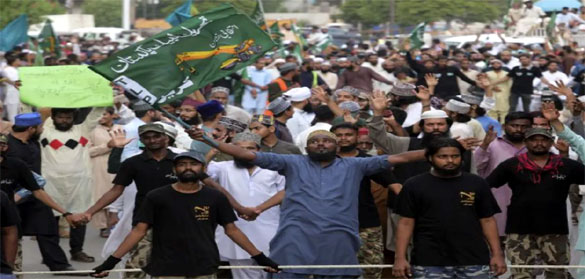
Shia Muslims protesting in Karachi, Pakistan
------
The fear
that Jaun Elia, a muhajir (a person who had migrated from India after the
partition), had was not unfounded. Shias in Pakistan have been facing constant
sectarian attacks since the very foundation of this nation. In 1963, on the Day
of Ashura (10th of Muharram) Taziya processions were attacked by extremists in
several cities and towns of Pakistan. In Khairpur district a mob attacked and
set an Imambargah on fire killing dozens of Shia inside it. The government
admitted that more than a hundred Shias were killed that day, while
non-government sources put the casualties even higher. It is needless to
mention that not a single person was ever punished.
Abdul
Nishapuri has compiled the number of Shias killed in sectarian violence in
Pakistan and notes, “militants have killed more than 23,500 Shia Muslims”
between 1963 and June 2021. One can understand why Jaun Elia was so much
concerned for the safety of Shias in Pakistan and why several scholars have
termed this anti-Shia violence: a slow ‘genocide of Shias’.
Extremists
are not the only threat to the Shias. In 1969, at least 7 Shias were killed by police
bullets in Jhang during the Ashura procession. There were several incidents
when police or armed forces actively participated in anti-Shia violence in the
month of Muharram. In 1985, Police killed at least 35 Shias in Quetta. In the
same city, several other incidents of police firings on Shias have been
reported.
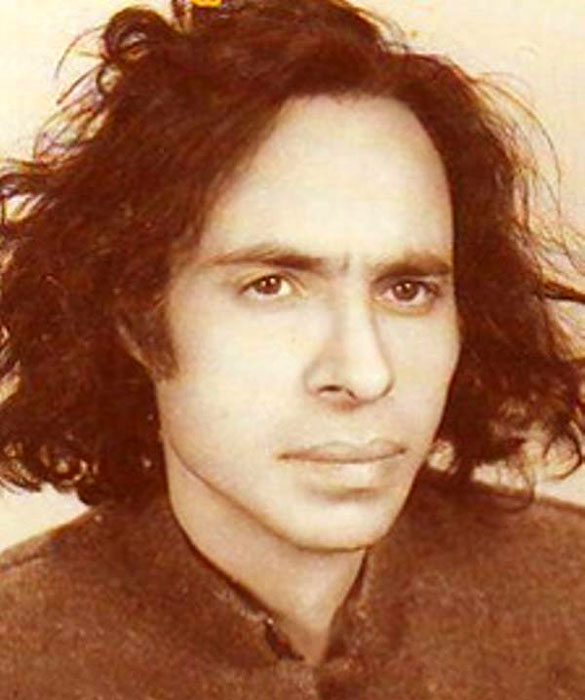
Juan
Elia
-----
I can
safely argue that praying at Shia mosques and Imambargahs during the month of
Muharram in Pakistan is the deadliest religious ritual in the world. In the
21st century, terrorists have targeted Shia mosques the most. More than 10,000
Shias have lost lives while praying in the last two decades.
On 4 March
2022, at least 63 Shias were killed by a suicide bomber when they were offering
Friday prayers at a mosque in Peshawar. One of the deadliest planned attacks
was unearthed by police in 2008 when terrorists poisoned “water fountains (Sabîl)
posted along the route of Muharram processions with cyanide” which would have
been coordinated with bomb blasts. In 2006, multiple blasts hit the procession
in Hangu after which several villages inhabited by Shias were attacked with
rockets and mortars. The number of casualties remained disputed.
In 2012,
several places, Shia mosques, and Imambargahs were bombed in Pakistan. In
Rawalpindi, at least 23 were killed by a suicide bomber at an Imambargah. A
bomb blast at Khanpur accounted for 18 deaths. In Dera Ismail Khan at least 14
Shias were killed in a blast. The same year terrorists bombed a three-bus
convoy of Shia pilgrims going to Iran in Mastung killing at least 20.
Andreas T.
Rieck in his book, The Shias of Pakistan: An Assertive and Beleaguered Minority,
writes, “This wave of violence against Shias occurred against the background of
a generalized campaign of terror by extremists in Pakistan, spearheaded since
2007 by the Tahrîk-i Tâlibân-i Pâkistân (TTP) which claimed more than 10,000
lives in the years 2009–12 alone and was closely related to the conflict in
neighbouring Afghanistan. But Shias have been at risk of becoming random
victims of terror more than any other group of Pakistan’s citizens. And while
law enforcement agencies have often acted with resolve and courage against
criminal extremists, they have not always received the necessary backing from
political leaders and the judiciary. A case in point has been the release on
bail of the LeJ (Lashkar e Jhangvi) hit-man Malik Muhammad Ishaq in July 2011
for “lack of evidence”, although after his arrest in 1997, he had been accused
of murdering seventy people, most of them Shias, in forty-four different cases.
And sometimes even convicted mass murderers affiliated to the LeJ have been
allowed to escape from their prison cells.”
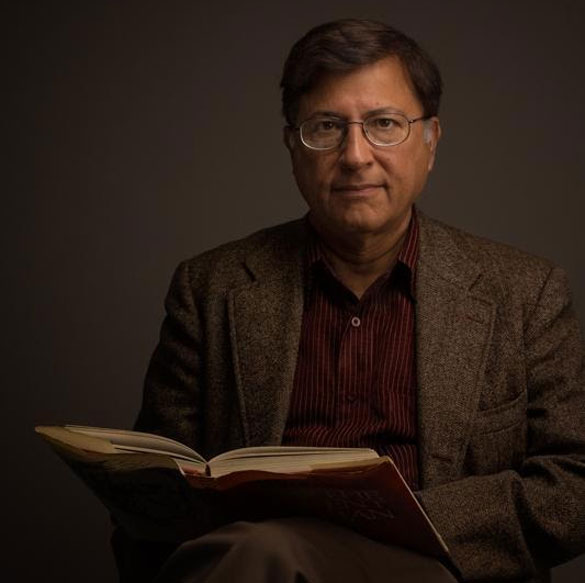
Dr.
Pervez Hoodbhoy
-----
In 2012,
The Dawn reported Dr. Pervez Hoodbhoy as saying, “Describing the killings as
sectarian is outrageous because a conflict assumes two warring sides. But in
fact, here there is just one side – the Shias – which is being massacred.
Pakistan was conceived in haste with just one goal in mind – Muslims must be
separated from Hindus, and then somehow all Muslims will live together in
bliss. Zero thought was given to what happens when religious fervour is
aroused.”
Muharram is
a month of mourning for Muslims in general and Shias in particular across the
globe in remembrance of the martyrdom of Imam Husain and his family members at
Karbala in 680 AD. But in Pakistan, thanks to terrorists, it is a month of
terror and horror for Shia Muslims. Their places of worship are bombed, fired
upon, burnt down, and attacked during this month.
URL: https://newageislam.com/islam-sectarianism/muharram-shia-genocide-pakistan-karbala/d/130325
New Age Islam, Islam Online, Islamic Website, African Muslim News, Arab World News, South Asia News, Indian Muslim News, World Muslim News, Women in Islam, Islamic Feminism, Arab Women, Women In Arab, Islamophobia in America, Muslim Women in West, Islam Women and Feminism