
When Will Good Days Come - Will We Die Waiting for Them?

By Sumit Paul, New Age Islam
28 January 2024
"Agar Tujh Ko Fursat
Nahin Ho Toh Na Aana
Magar Ek Achchha Nabi Bhej
Dena "
Mohammad Alvi
(Almighty if you don't have the
time to come down yourself, send a good prophet instead)."
Do you know, Urdu poet Muhammad Alvi, whose death
anniversary falls on January 29, is remembered for the aforementioned
'blasphemous' couplet? Ironically, Chautha Aasmaan - the collection of
Alvi's ghazals that contained the lines that offended the Darul Uloom
Shah-e-Alam, Ahmedabad - won the national Sahitya Academy Award for the best
book of Urdu literature in 1993!
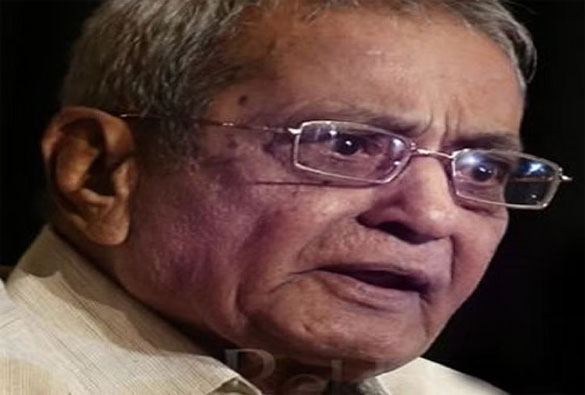
Mohammad Alvi
-----
One of the most perceptive Ghazalgo of our times,
Alvi had a simple style and a direct way of approaching his readers. Read this
couplet and you'll agree: Dhoop Ne Guzarish Ki/ Ek Boond Baarish Ki (Scalding
heat requested for a drop of rains). This is the kind of poetic simplicity (Bilwaaq
in Persian prosody) that makes the readers and lesser poets think, nay rue, why
didn't this thought occur to me?
Elsewhere Alvi writes, "Alfaaz Faeel Pe Hote Hain/ Kahin
Se Dhoondh Ke Laata Nahin Main" (Words are on the tip of my nib/ I
don't search for them). Look at the admirable use of a rather archaic word 'Faeel
' for the tip of a nib. When he says, 'Roz Achchhe Nahin Lagte Aansoo/ Khaas
Mauqon Pe Maza Dete Hain, you wholeheartedly agree with him as the Irish
Nobel Laureate Seamus Heaney said the same thing, albeit in a slightly
different way, " Tears that fall now and then/ Often lose their intensity
and Zen."
One of the finest couplets of Alvi is: Andhera Hai, Kaise
Tere Khat Padhoon/ Lifafe Mein Kuchh Roshni Bhej De (It's dark, how should
I read your letters? / Please put some light in the envelope).
When I meet my Urdu-knowing old friends familiar with
Mohammad Alvi's poetry, we always quote this couplet: Achchhe Din Kab
Aayenge/ Kya Yoon Hi Mar Jayenge (When will good days come/ Will we die
waiting for them). I intend to send this couplet to a bearded megalomaniac with
a note that Alvi Sahab hailed from your state. By the way, Alvi hailed from
Ahmedabad. I also want to add this couplet: Raat Pade Ghar Jaana Hai/ Subha Talak
Mar Jaana Hai (Going home at night/ Dying by morning). It's a phrasal
couplet inspired by the Gujarati idiom that means a poor person has nothing to
look forward to: He goes home late and dies before the crack of the dawn. This
seems to be the general scenario in India. Life taught him and myriad
experiences mentored him: Aag Apne Hi Laga Sakte Hain/ Ghair Toh Sirf Hava
Dete Hain (Those who're 'close' set the house on fire/ Outsiders only stoke
the flames).
He was also a very gentle soul and full of piety. That's why
he could say, "Main Us Ke Badan Ki Muqaddas Kitab/ Nihayat Aqeedat Se
Padhta Raha" (I kept reading the pious book of his body with a deep
sense of reverence). This reminds me of one more such platonic couplet, though
written by someone else: Tu Hi Shaahid-O-Ameen Hai Meri Paak Khilwaton Ka/ Sare-Shaam
Aane Wale, Dam-e-Subha Jaane Wale (You're the witness to my sacred
solitude/ As you came at night and left at dawn-with chastity intact). One
agrees with Alvi, "Main Naahaq Din Kaat Raha Hoon/ Kaun Yahan Sau Saal
Jiya Hai" (I’m simply whiling away my time/ Who has lived here for an
inordinate period?).
Alvi's poetry introduces you to life's different facets and
phases and makes you think.
----
A regular
columnist for New Age Islam, Sumit Paul is a researcher in comparative
religions, with special reference to Islam. He has contributed articles to the
world's premier publications in several languages including Persian.
New Age Islam, Islam Online, Islamic Website, African Muslim News, Arab World News, South Asia News, Indian Muslim News, World Muslim News, Women in Islam, Islamic Feminism, Arab Women, Women In Arab, Islamophobia in America, Muslim Women in West, Islam Women and Feminism